


Creating an escape room can be a fun and creative experience, but before that, you must consider the escape room business as a whole. Opening an escape room company can be an exciting and rewarding business venture.Escape rooms have become increasingly popular in recent years, and for a good reason - they offer a unique and immersive experience that challenges players to think creatively, work together, and solve puzzles under pressure.
Our Glaswegian Game Masters have been instrumental in creating a brand new room for our Glasgow location. Our Game Masters had the support and resources at their disposal to create Conspiracy last year, and they’re doing it all over again to release a room just in time for summer. The new escape room will see players as a team of intergalactic explorers whose space ship has crashed on an alien planet and needs to be repaired before the team can return home! Set your alarms,Star Crew will launch June 2023.
Let’s hear from our Game Masters Fran, Chris and Richard who are the team behind this exciting new addition to our Escape Reality portfolio!
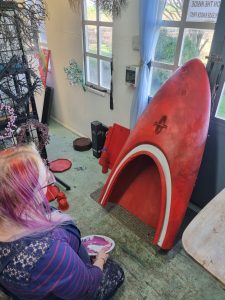
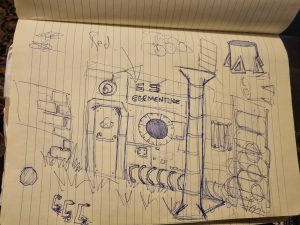
“To create your own escape room, I believe that you need to be obsessed and passionate about the project! Not a minute passes where I’m not planning, or visualising, or making mental checklists. It’s exhilarating!We wanted to create a lovable old unreliable junk ship – as if the Firefly and Red Dwarf merged and became an escape room. We love putting personal easter eggs in the rooms we create, so the space ship is named Clementine after Fran and Richard’s cat!The next step is gathering materials, which includes A LOT of time spent on second hand websites. First thing in the morning, and several hours every evening – is spent searching for interesting and unique ‘scrap' (we see it as treasure!), as well as any needed furniture or puzzle parts. A huge amount of the ship will be built using recycled materials. Many days are spent bartering and taking trips around Glasgow to pick up the perfect, unique pieces to build what we’re envisioning in our minds.The other hero of both Conspiracy and Star Crew is Nick, who spends weeks working on our escape room puzzles, from coding to building, to meeting with electricians, 3D printing – everything! We work closely together, sending each other updates and queries. We often come to him with what we think is a crazy idea – only for him to easily figure out how to fabricate it!”
Whether you're looking to make your own escape room for friends and family or starting a business, there are several key steps to follow. Here are some of the things we keep in mind when designing our rooms at Escape Reality:
Step 1: Choose a Theme
The first step in creating an escape room is to choose a theme. This will set the tone for the entire experience and determine the puzzles and challenges that players will face. Popular themes include spy missions, haunted houses, and treasure hunts. Consider your audience and their interests when choosing a theme.

Step 2: Design the Room
Once you have a theme in mind, it's time create your own escape room. This involves creating a layout, selecting props and puzzles, and designing the overall experience. Your room should be challenging but not impossible, and it should be visually appealing to enhance the immersive experience. Consider the theme of your escape room and design puzzles and challenges that fit that theme. You’ll also need to gather lots of non-puzzle props to decorate the room effectively. You can’t rely solely on the props associated with the puzzles to fill up the rooms and will likely need furniture and bric-a-brac to make the rooms look more realistic. Try to avoid anything that purposefully looks like an escape puzzle, escape games are hard enough without mountains of red herrings! At Escape Reality, we like to source most of our décor from second hand shops and marketplaces. After all, a derelict cabin in the woods wouldn’t be filled with brand new furniture!
Step 3: Create Puzzles and Challenges
The heart of any escape room is the fun puzzles and challenges. These can include riddles, codes, hidden objects, and physical challenges. Think outside the box when creating your puzzles and challenges, and make sure they are challenging but not impossible. Consider incorporating technology such as QR codes and augmented reality into the escape game to enhance the experience.
Step 4: Test Your Room
Before you open your escape room to the public, it's important to test it thoroughly. Invite friends and family to play through the room and provide feedback on the puzzles, challenges, and overall experience. Make any necessary changes based on the feedback you receive. Try and identify which items are likely to break with repeated use. It’s a great idea to keep back up stock of these items so that the room isn’t rendered unplayable if a prop is accidentally broken by a team.

Step 5: Set the Scene
To enhance the immersive experience, it's important to set the scene in your escape room. Use lighting, sound effects, and props to create a realistic and engaging environment. Consider using hidden cameras to monitor the escape room game and provide hints to players when needed. Create a backstory that places the team into their characters within the game so that they feel more immersed into the theming of the room.
Step 6: Provide Clear Instructions
Before players enter the room, provide them with clear instructions on how to play the game. Explain the rules, the objective, and any safety considerations. It might be helpful to use some kind of indicator for items that are unsafe to touch. For example, we might use a branded sticker over plug sockets and inform the customers before they play that if they see these stickers, then it is not part of the game. Make sure players understand what is expected of them and how to ask for help if needed.
Step 7: Monitor the Game
During the game, it's important to monitor the progress of the players. Use hidden cameras to watch the game and provide hints when necessary. Make sure players are following the rules and staying safe.
In conclusion, creating an escape room can be a fun and creative experience. By following these key steps, you can design a challenging and immersive experience for your players. Whether you're creating a room for friends and family or as a business venture, the key is to be creative, thoughtful, and attentive to the needs and interests of your players.

